
f you’ve bought a Nissan, Honda, or Toyota in the last decade, there is a good chance you aren’t driving a “traditional” automatic. Instead, you likely have a CVT—a Continuously Variable Transmission.
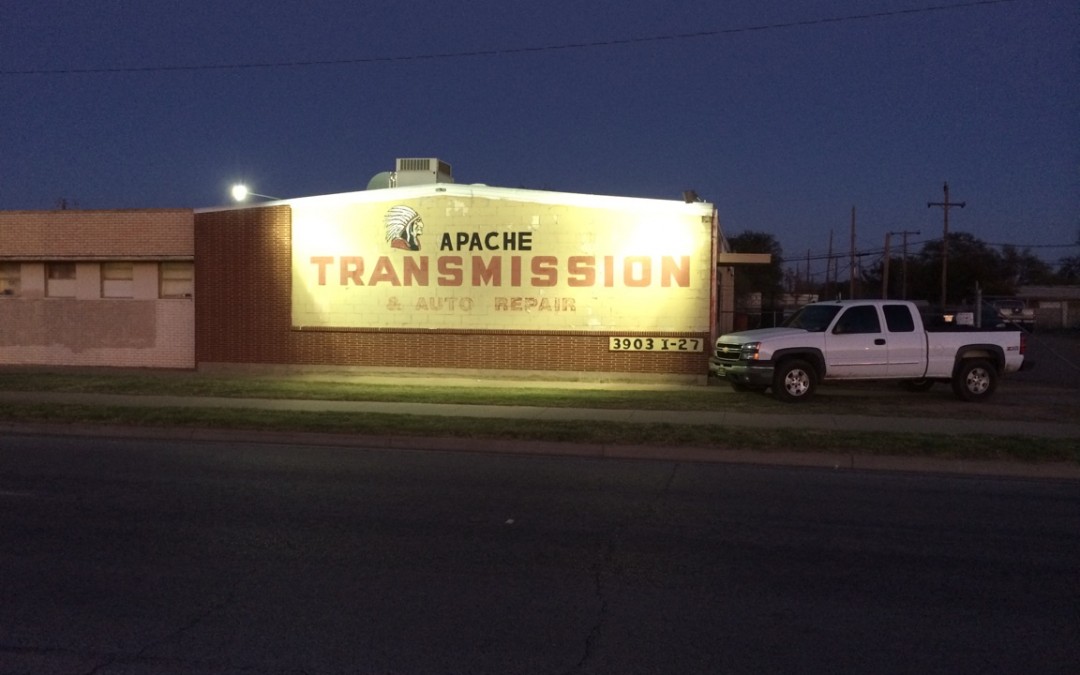
At Apache Transmission, we’ve seen a massive shift in the types of vehicles coming through our Lubbock shop. While CVTs offer incredible fuel efficiency, they require a different kind of care than the gearboxes of the past. Here is everything you need to know about keeping your CVT on the road.
What is a CVT, Anyway?
Unlike a standard automatic that has a set number of gears (like 6 or 8 speeds), a CVT has no gears at all. Instead, it uses a high-strength steel belt or chain and a system of two variable-diameter pulleys.
By constantly adjusting the width of these pulleys, the transmission can find the perfect “gear ratio” for any speed. This is why CVTs feel so smooth—there is no “shift shock” because there are no actual gears shifting.
Common CVT Issues to Watch For
Because they operate under high pressure and heat, CVTs have their own unique set of “red flags.” If you notice these symptoms while driving around the South Plains, it’s time to give us a call:
-
Droning or Whining: If your engine sounds like it’s “stretching” or making a high-pitched whine during acceleration, the belt may be slipping or the fluid may be breaking down.
-
The “Rubber Band” Effect: If you press the gas and the engine revs up, but the car takes a second to “catch up” and move, your CVT is struggling to adjust the pulleys.
-
Shuddering or Jerking: CVTs should be buttery smooth. Any vibration or “lurching” at low speeds is a sign of internal wear.
-
Overheating: Lubbock summers are brutal. CVTs are very sensitive to heat; if the fluid gets too hot, the car may enter “Limp Mode” to protect itself.
Maintenance: The Secret to Long CVT Life
The most expensive mistake a Lubbock driver can make is treating a CVT like a “sealed for life” unit. While some manuals say you don’t need to change the fluid, our experience at Apache Transmission tells a different story.
1. Fluid Exchanges are Vital
CVT fluid doesn’t just lubricate; it provides the hydraulic pressure needed to move the pulleys. Over time, heat causes this fluid to thin out. We recommend a CVT fluid exchange every 30,000 to 50,000 miles, depending on your driving habits.
2. Use the Correct Fluid
You cannot put standard ATF (Automatic Transmission Fluid) in a CVT. Doing so can destroy the belt in a matter of miles. We use specialized, manufacturer-spec fluids to ensure the friction coefficients are exactly where they need to be.
3. Keep it Cool
If you do a lot of towing or heavy stop-and-go driving in the Texas heat, consider an external transmission cooler. It’s a small investment that can save you thousands in repair costs.
Can a CVT be Repaired?
In the early days, most shops told customers that a broken CVT meant a total replacement. At Apache Transmission, we stay on the cutting edge. While some internal damage does require a swap, many issues—like faulty sensors, solenoid failures, or valve body problems—can be repaired for much less than the cost of a new unit.
Trust the Lubbock Experts
Don’t let a “Check Engine” light or a weird noise ruin your commute. Whether you’re driving a fuel-sipping commuter or a family SUV, the team at Apache Transmission has the diagnostic tools and the “West Texas Worth Ethic” to get the job done right.
Recent Comments